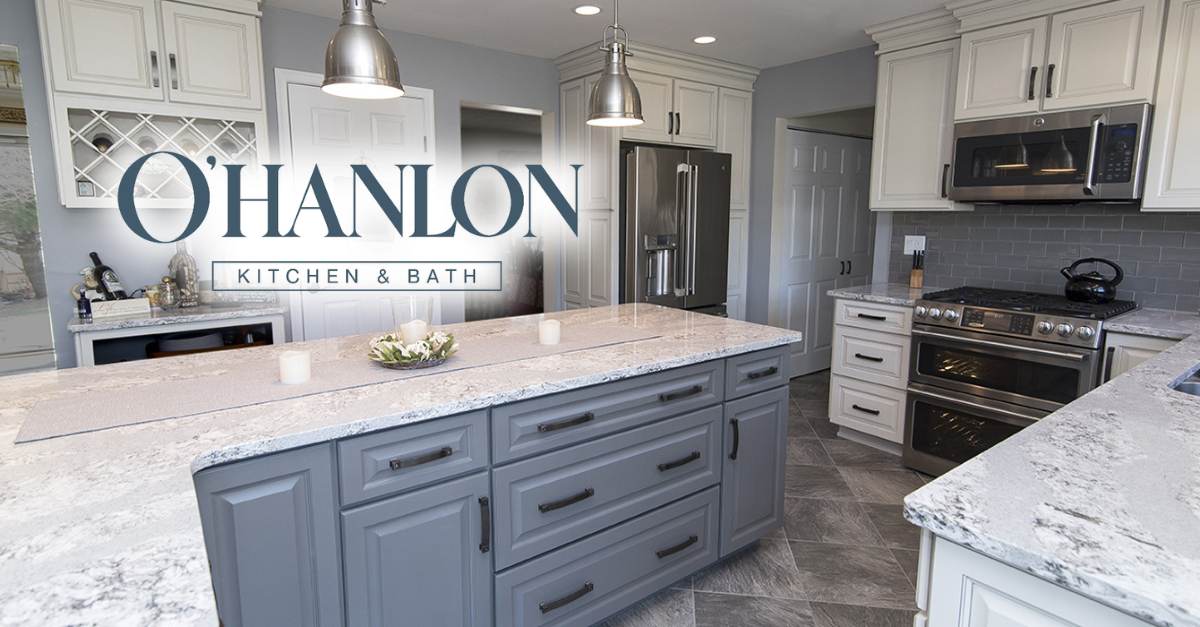

Historic homes possess a special charm due to their rich craftsmanship, character, and stories from decades (or centuries) past. Whether you have recently purchased an older home or are ready to renovate your long-term residence, remodeling historic homes in PA or Maryland comes with unique rewards and responsibilities. Here’s how you can successfully remodel your historic home while preserving its history.
What Makes a Home “Historic”
Not every older home qualifies as a historic one. There are guidelines that a house must meet to be considered historic, such as being at least 50 years old and having retained its original architectural integrity. It may also be listed on a local, state, or national historic register. These homes are often celebrated for their distinctive design, high-quality materials, and their significance to a community’s cultural heritage.
If you are planning a Maryland historic home kitchen remodel or restoring an early 20th-century house in Pennsylvania, it’s crucial to confirm whether your home is officially designated as historic. This can impact what renovations are permitted and how they must be carried out to prevent damage to the home’s original structure.
Common Challenges When Remodeling Older Homes
Older homes often come with surprises you might not be ready for. These could be hidden behind walls or floors and uncovered at the last minute. Some of the most common challenges with remodeling historic homes are:
- Outdated electrical and plumbing systems: These may not comply with current codes and may require complete replacement.
- Lead paint and asbestos: Common in homes built before the 1980s, these materials require special handling.
- Uneven floors and walls: Over time, settling can make new installations challenging.
- Inefficient insulation: Many older homes were built before energy efficiency was a priority.
Navigating these issues not only requires experience but careful craftsmanship. It is essential to work with a knowledgeable contractor who understands the unique characteristics of historic homes.
Preserving Character While Updating Functionality
The goal of any remodel in a historic home should be to maintain the charm of the past while introducing the comforts of the present. For example, during a Maryland historic home’s kitchen remodel, you might keep the original wood cabinetry and retro tile but upgrade the kitchen countertops for modern functionality.
Key ways to preserve character include:
- Utilizing original molding and built-ins.
- Reusing architectural features like doors, mantels, and hardware.
- Selecting fixtures and finishes that are era-appropriate.
The best remodels make it challenging to distinguish what was originally there and what was added. You want to blend historic character with modern functionality seamlessly.
Understanding Local Historic District Guidelines
If your home is located within a historic district, there may be strict guidelines governing your renovation. These rules are in place to help preserve the visual consistency of the area and can influence exterior and interior changes.
In Pennsylvania and Maryland, local preservation commissions may require:
- Advanced approval of design plans.
- Use of historically accurate materials.
- Restrictions on altering windows, roofs, and facades.
Before starting to design your dream kitchen, check with your local historic preservation office to understand what’s allowed. At O’Hanlon Kitchen and Bath, we regularly coordinate with local boards and can help you navigate these requirements smoothly.
Design Tips for Seamless Historic Renovations
Blending new with old requires thoughtful design and careful planning. Here are a few tips to keep your historic remodel cohesive:
- Use transitional elements: These bridge the gap between traditional and modern aesthetics.
- Match wood species and stain colors: If you are adding cabinetry or flooring, match existing materials as closely as possible.
- Install modern amenities discreetly: Under-cabinet lighting, soft-close drawers, and induction cooktops can be integrated without disrupting a vintage look.
- Choose timeless colors: Soft whites, muted greens, and natural tones are often more historically appropriate than trendy hues.
Working With the Right Remodeler
Remodeling historic homes in PA and Maryland requires more than just technical skills. At O’Hanlon Kitchen and Bath, we specialize in historic renovations that respect your home’s unique character while bringing it into the modern era. We understand the complexities of older structures, from updating infrastructure to maintaining architectural integrity. Our design-build process ensures continuity from concept through completion, with a team that truly understands the complexity of historic homes.
Ready to Start Your Historic Home Remodel?
Remodeling a historic home can be a long journey. One that requires planning, patience, and the right team of professionals. If you are ready to begin your renovation, O’Hanlon Kitchen and Bath is ready to bring your vision to life. From preserving original details to integrating modern updates, we will help you honor your home’s past while preparing it for the future.
Contact us today to schedule a FREE consultation and discover how we can make your historic home remodel a success.